Our technology
Reference models of the space radiation environment, such as AE9/AP9, describe it climatologically: statistical averages, useful for sizing a mission, but unable to say what is happening today or what will happen tomorrow. Augura Space combines artificial intelligence with multisource data fusion to cover the full space weather cycle: diagnosing the past, monitoring the present, forecasting the future.
The full space weather cycle
Post-event diagnosis
By correlating measurements from multiple instruments, our algorithms reconstruct after the fact the fine dynamics of the Van Allen radiation belts (electron, proton and heavy ion fluxes) at the time of a past anomaly, to determine whether its origin was natural (solar storm, geomagnetic storm) or non-natural (hardware failure, maneuver, debris).
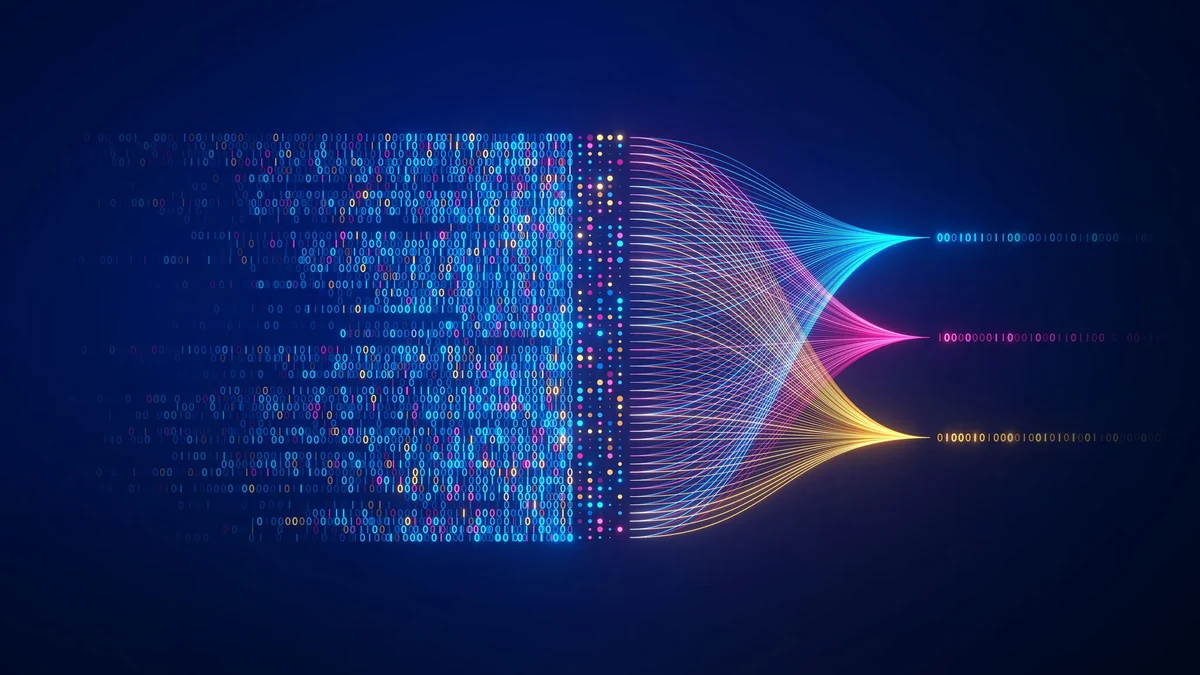
Nowcasting: real-time monitoring
Our deep-learning models continuously assimilate heliophysical and magnetospheric data from heterogeneous sources, where classic physical models rely on fixed datasets and simplifying assumptions, to deliver a faithful picture of the current state of the radiation environment.
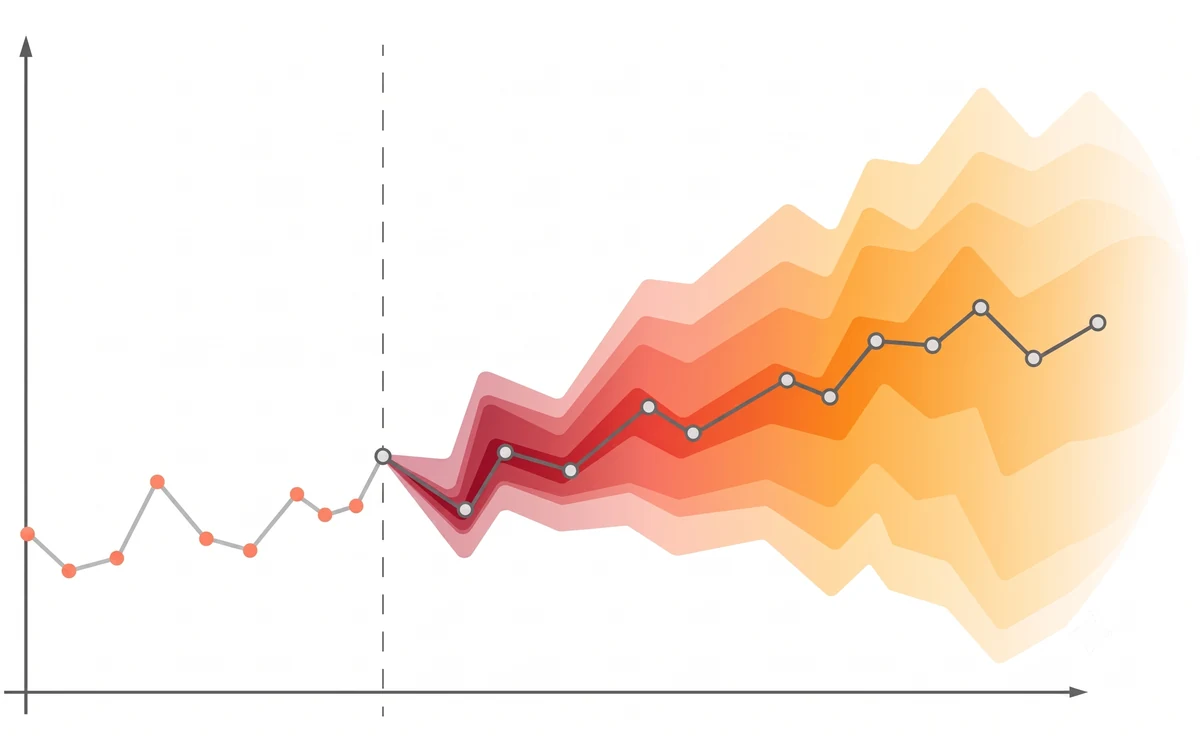
AI forecasting: anticipating storms
Where reference models provide a statistical envelope valid over the lifetime of a mission, our AI models forecast the intensity and duration of geomagnetic and radiation storms hours and days ahead, without compromising scientific rigor.
Nowcasting & Forecasting
Nowcasting
Live diagnosisA faithful, continuously updated picture of the state of the radiation belts and the magnetosphere, to know precisely what is happening around the Earth at any given moment.
- Live mapping of electron, proton and heavy ion fluxes
- Diagnostic support for satellite anomalies: hardware failure or space event?
- Available through the Nowcast Platform
Forecasting
Robust predictionA forecast of the intensity and duration of geomagnetic and radiation storms, built on multisource heliophysics data fusion. At 48 hours, our models reach 90% reliability — enough to anticipate rather than absorb.
- Forecasting the intensity and duration of geomagnetic storms
- Early alerts for satellite operators, grid operators and airlines
- Models trained on GOES, SDO and SOHO archives and on reference geomagnetic indices
A global data pipeline
The reliability of our models rests on automating and hardening data flows from sources worldwide, with systematic deduplication that guarantees a clean feed for our algorithms.
NOAA SWPC, GOES, POES, SDO, SOHO, SIDC, WDC Kyoto, DLR
Deduplication database & quality control
Data fusion & deep learning
Nowcasting and Forecasting
Discover the Nowcast Platform
See the solar wind, particle fluxes and geomagnetic indices live, on our open-access platform.